Archives
- 2026-05
- 2026-04
- 2026-03
- 2026-02
- 2026-01
- 2025-12
- 2025-11
- 2025-10
- 2025-09
- 2025-03
- 2025-02
- 2025-01
- 2024-12
- 2024-11
- 2024-10
- 2024-09
- 2024-08
- 2024-07
- 2024-06
- 2024-05
- 2024-04
- 2024-03
- 2024-02
- 2024-01
- 2023-12
- 2023-11
- 2023-10
- 2023-09
- 2023-08
- 2023-07
- 2023-06
- 2023-05
- 2023-04
- 2023-03
- 2023-02
- 2023-01
- 2022-12
- 2022-11
- 2022-10
- 2022-09
- 2022-08
- 2022-07
- 2022-06
- 2022-05
- 2022-04
- 2022-03
- 2022-02
- 2022-01
- 2021-12
- 2021-11
- 2021-10
- 2021-09
- 2021-08
- 2021-07
- 2021-06
- 2021-05
- 2021-04
- 2021-03
- 2021-02
- 2021-01
- 2020-12
- 2020-11
- 2020-10
- 2020-09
- 2020-08
- 2020-07
- 2020-06
- 2020-05
- 2020-04
- 2020-03
- 2020-02
- 2020-01
- 2019-12
- 2019-11
- 2019-10
- 2019-09
- 2019-08
- 2019-07
- 2019-06
- 2019-05
- 2019-04
- 2018-11
- 2018-10
- 2018-07
-
br Introduction G protein coupled receptors GPCRs
2021-10-25
Introduction G-protein coupled receptors (GPCRs) represent one of the largest family of receptors involved in cell membrane signal transduction and have become one of the leading therapeutic targets worldwide (Chakraborty and Chattopadhyay, 2015; Bouvier, 2001; Sriram and Insel, 2018). GPCRs sign
-
Hypertriglyceridemia is associated with an overproduction an
2021-10-25
Hypertriglyceridemia is associated with an overproduction and secretion of triglyceride-rich lipoproteins (TRLs), due to increased liver lipid substrate availability (Adiels et al., 2005, Choi and Ginsberg, 2011), and/or reduced catabolism of TRLs and their remnants, due to reduced lipoprotein lipas
-
Liver is the house for a variety of xenobiotic metabolizing
2021-10-25
Liver is the house for a variety of xenobiotic-metabolizing 623 that produce reactive oxygen species as well as reactive metabolites (Johansson et al., 2009; Noh et al., 2017; Puntarulo and Cederbaum, 1998). When the enzymes act upon pre- or pro-haptens, the chemicals would be activated to reactive
-
Hydrochlorothiazide In the present studies we found that gen
2021-10-23
In the present studies, we found that genistein did not antagonize fMLF-induced Ca2+ mobilization in FPR1-HL60 Hydrochlorothiazide and human neutrophils. Thus, the previously reported inhibitory effect of genistein on fMLF-stimulated degranulation, aggregation, and reactive oxygen species (ROS) pro
-
Our observation of LPS induced increase in the
2021-10-23
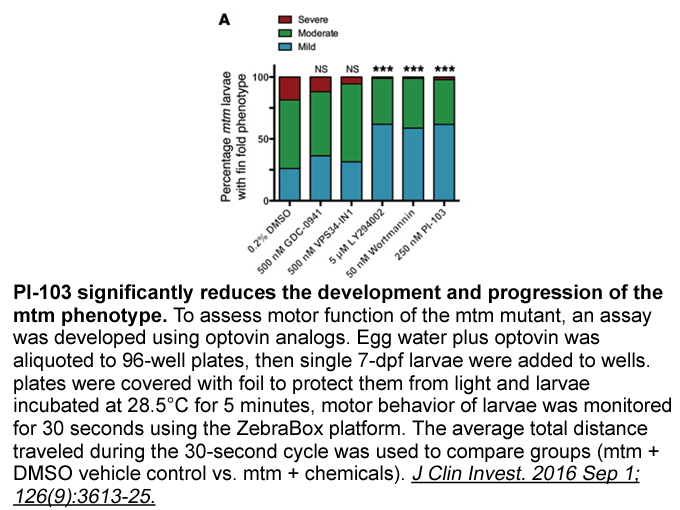
Our observation of LPS-induced increase in the sensitivity of cultured endothelium-intact coronary Terazosin towards stimulation with selective ETB receptor agonist (S6c) could be explained by activation of TLRs receptors located on the endothelium of rat coronary arteries. However, the possible re
-
Kinases belonging to the Thousand and one Tao
2021-10-23
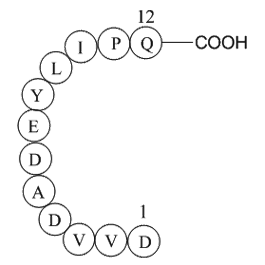
Kinases belonging to the Thousand and one (Tao) family are conserved throughout evolution. Three Tao proteins are encoded in the human genome (TAO1, TAO2, and TAO3), while D. melanogaster possesses a single ancestral Tao kinase (Tao-1). Like Hpo and GckIII, Tao kinases belong to the Sterile 20-like
-
Another interesting approach is to
2021-10-23
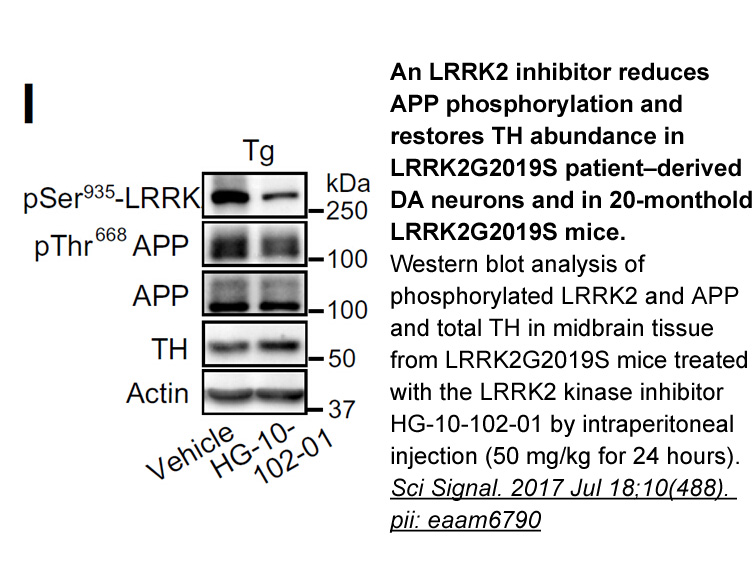
Another interesting approach is to use partial agonists as starting point to develop specific antagonists like done in earlier decades [64], [65]. Possible indications for an attenuation of the NO/sGC signalling pathway might be specific neuronal disorders: an involvement in the aetiology of migrain
-
In the pathogenesis of insulin resistance chronic activation
2021-10-23
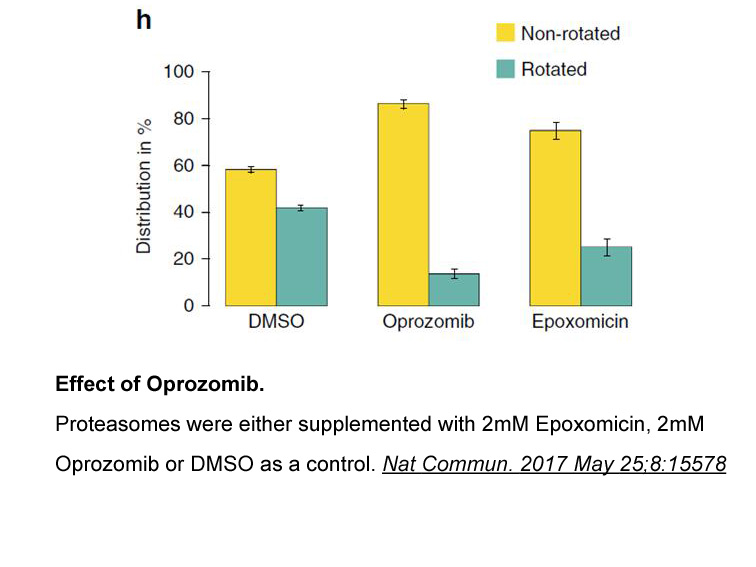
In the pathogenesis of insulin resistance, chronic activation of inflammatory pathways plays an important role, and the macrophage/adipocyte inter-communication provides a key mechanism underlying the common disease states of decreased insulin sensitivity [10]. This involves the migration of macroph
-
br TGR agonists current developments and future
2021-10-23
TGR5 agonists: current developments and future landscape The amphipathic nature of bile acids is crucial in aiding the digestion and apexbio chemicals of vitamins and fats. With the emerging roles of bile acids in the regulation of energy and glucose homeostasis through TGR5, the pharmaceutical i
-
Moreover we revealed that alanine
2021-10-23
Moreover, we revealed that β-alanine and taurine, a structural analog of β-alanine, have different receptor affinity in the SG neurons of the spinal dorsal horn. Additionally, previous studies indicate that taurine regulates nociceptive information at the spinal cord level, and we have previously de
-
The LBD experiences a large scale conformational
2021-10-23
The LBD experiences a large-scale conformational transition between open and closed states upon agonist binding within the cleft separating the two lobes of the domain. The upper lobe (Lobe 1, also called D1) is connected to the ATD, and the lower lobe (Lobe 2, also called D2) is connected to the TM
-
br Introduction The signaling molecule nitric oxide NO
2021-10-22

Introduction The signaling molecule nitric oxide (NO) plays an essential role in vessel homeostasis by initiating vasodilation [1], [2], [3]. After biosynthesis in endothelial cells, NO diffuses into the subjacent smooth muscle layer to reach its target enzyme, soluble guanylyl cyclase (sGC, EC 4
-
br Molecular mechanisms underpinning GSNOR function in the
2021-10-22
Molecular mechanisms underpinning GSNOR1 function in the defence response Recently, Arabidopsis GSNOR1 has been shown to govern the extent of S-nitrosylation of two key regulatory proteins, Non-Expresser of Pathogenesis-Related Genes 1 (NPR1) and SA binding protein 3 (SABP3), which are integral t
-
Others demonstrated that Paneth cells maintain stem cell fun
2021-10-22
Others demonstrated that Paneth cells maintain stem cell function and crypt homeostasis by providing metabolic lactate to sustain the enhanced mitochondrial oxidative phosphorylation in the Lgr5+ ISCs (Rodriguez-Colman et al., 2017), which substantially agrees with our findings in this study. Furthe
-
AZD 5153 Ning et al showed that LPC appeared to increase
2021-10-22
Ning et al. showed that LPC 18:1 appeared to increase insulin release through both GPR119-dependent and -independent mechanisms (Ning et al., 2008). In our study, we have shown that not only GPR119 but also GPR40 and GPR55 participate in LPC-stimulated insulin secretion (Fig. 4, Fig. 5) and target p
16390 records 582/1093 page Previous Next First page 上5页 581582583584585 下5页 Last page