Archives
- 2026-10
- 2026-09
- 2026-08
- 2026-07
- 2026-06
- 2026-05
- 2026-04
- 2026-03
- 2026-02
- 2026-01
- 2025-12
- 2025-11
- 2025-10
- 2025-09
- 2025-03
- 2025-02
- 2025-01
- 2024-12
- 2024-11
- 2024-10
- 2024-09
- 2024-08
- 2024-07
- 2024-06
- 2024-05
- 2024-04
- 2024-03
- 2024-02
- 2024-01
- 2023-12
- 2023-11
- 2023-10
- 2023-09
- 2023-08
- 2023-07
- 2023-06
- 2023-05
- 2023-04
- 2023-03
- 2023-02
- 2023-01
- 2022-12
- 2022-11
- 2022-10
- 2022-09
- 2022-08
- 2022-07
- 2022-06
- 2022-05
- 2022-04
- 2022-03
- 2022-02
- 2022-01
-
br Introduction Chronic rhinosinusitis with nasal polyps CRS
2022-01-03
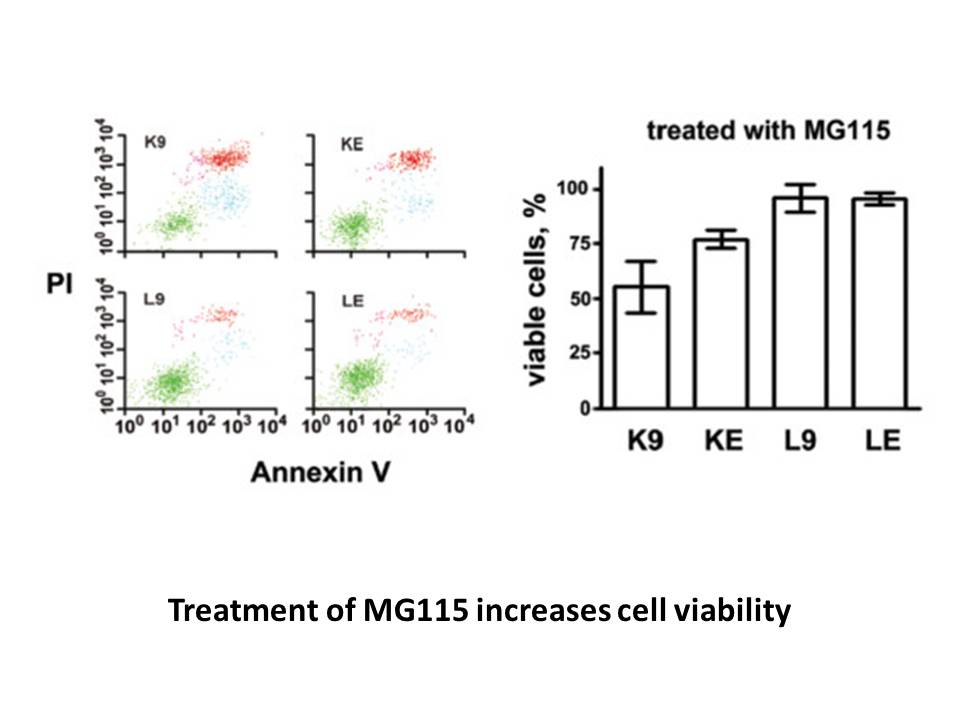
Introduction Chronic rhinosinusitis with nasal polyps (CRSwNP), a subgroup of chronic rhinosinusitis (CRS), is a chronic inflammatory condition of the nasal and paranasal sinuses. CRSwNP is characterized by grape-like structures with dense inflammatory infiltrates, loose fibrous 740 Y-P and thic
-
In the present study we
2022-01-03
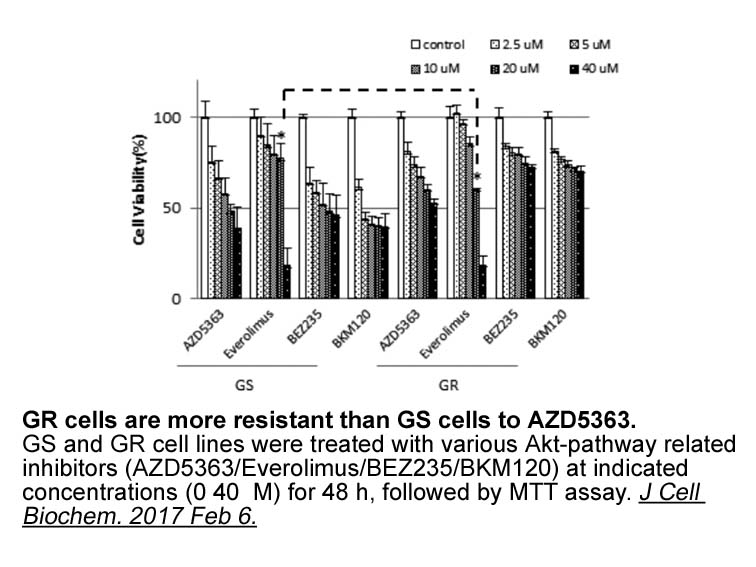
In the present study, we observed a decrease in body weight gain in Tg rats. It is uncertain whether this effect is due to Denr, Gpr81, or Gpr109a. In this regard, Gpr81 mice have been reported to have reduced body weight gain [28]. Moreover, a small clinical study has reported that obese patients t
-
For several years CXCL had been classified as
2022-01-03
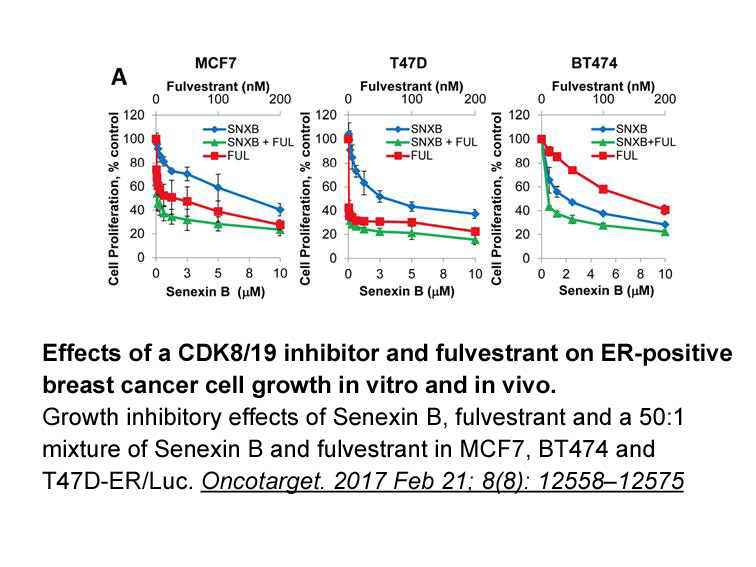
For several years, CXCL17 had been classified as an orphan chemokine, until Maravillas-Montero et al. claimed that orphan G-coupled protein receptor GPR35 is the receptor of CXCL17 [15], [16]. However, no following research has been produced to further explore the function of the CXCL17-CXCR8 (GPR
-
Here we studied GLUT targeted nanomedicines as a
2022-01-03

Here, we studied GLUT1-targeted nanomedicines as a new strategy directed to overcome vascular barrier, enhancing delivery and efficacy in solid tumors. These nanomedicines were prepared by controlled installation of glucose on polymeric micelles incorporating the antitumor agent cisplatin, which is
-
Yeast two hybrid screening studies have provided the foundat
2022-01-03
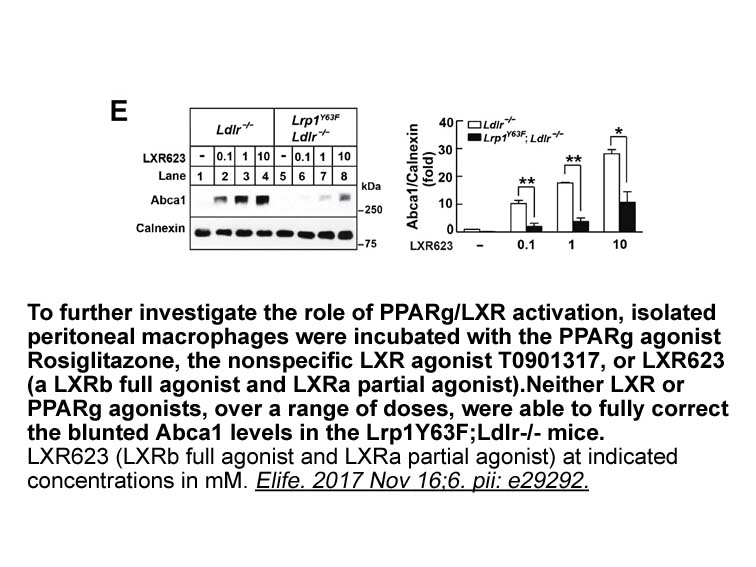
Yeast two-hybrid screening studies have provided the foundation for countless investigations of protein-protein interactions [[141], [142], [143]]. To identify additional hepatic proteins similar to GKRP that are implicated in GCK regulation, a group of researchers conducted a two-hybrid study using
-
Interestingly GAL has also been shown to be
2022-01-03
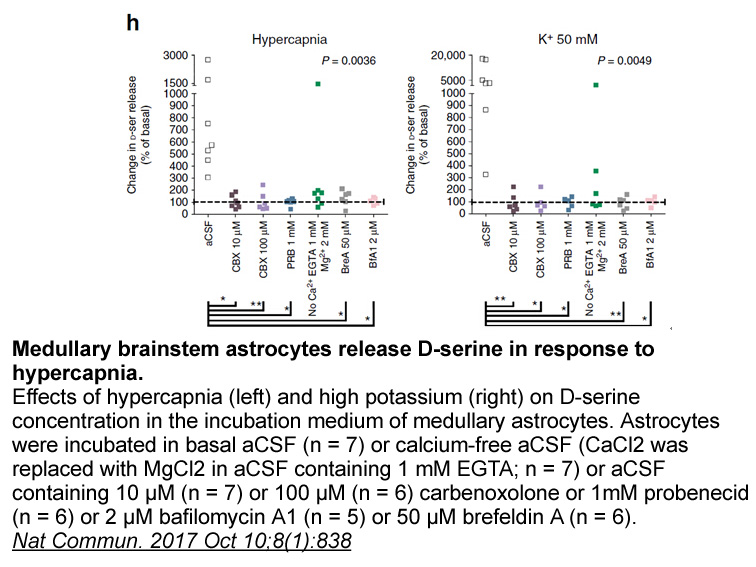
Interestingly, GAL has also been shown to be co-expressed and/or secreted in luteinizing hormone releasing hormone (LHRH) (Merchenthaler et al., 1991, Marks et al., 1994) and kisspeptin (KISS) neurons (Porteous et al., 2011). Furthermore, GAL was shown to stimulate luteinizing hormone (LH) secretion
-
br Acknowledgements We thank Kathy Spindler for helpful revi
2022-01-03
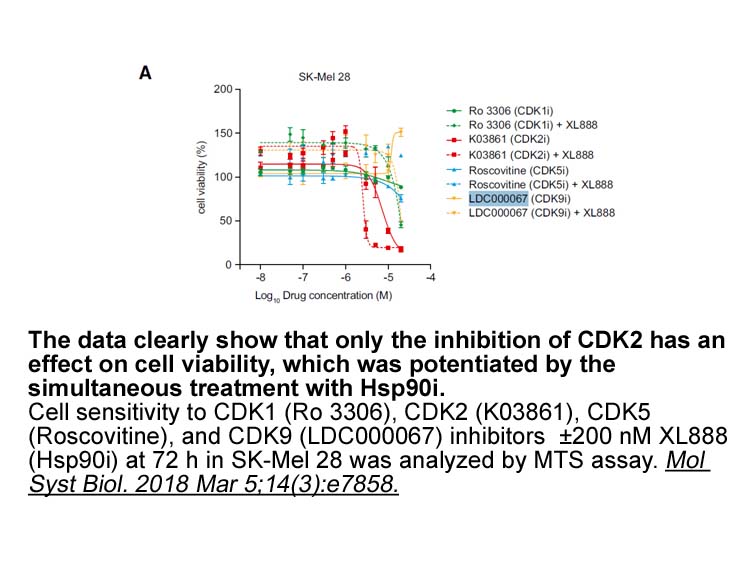
Acknowledgements We thank Kathy Spindler for helpful review of the manuscript. Expert technical assistance from Joel Whitfield in the University of Michigan Cancer Center Immunology Core is greatly appreciated. This research was supported by the American Heart Association (16GRNT30250013) and by
-
L189 australia Similar to in vitro data in vivo studies
2022-01-03
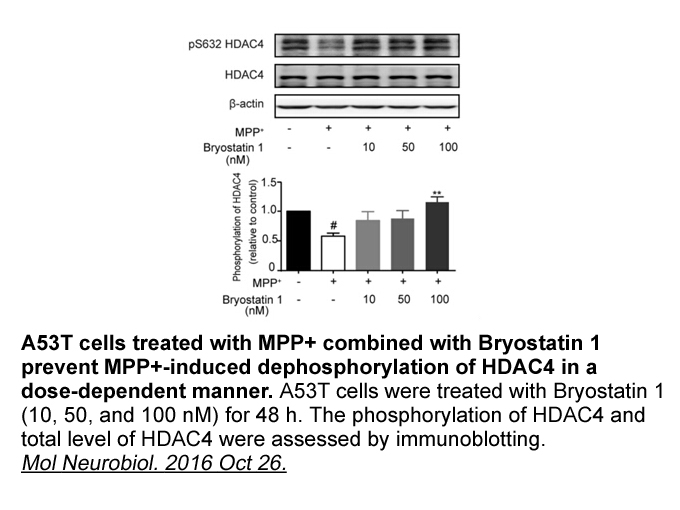
Similar to in vitro data, in vivo studies have also revealed modulation of TLR4-induced inflammatory responses by AEA. The proposed AEA reuptake inhibitor AM404 has been shown to attenuate TLR4-induced increases in plasma levels of IL-6 and IL-1β, the latter effect mediated by CB1 receptor activatio
-
Our results demonstrated that most of the HUA rings
2022-01-03
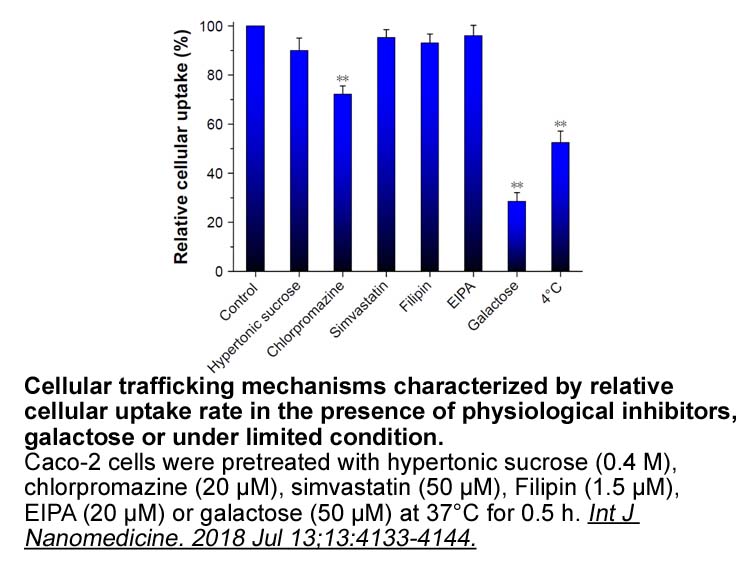
Our results demonstrated that most of the HUA rings incubated with 100 μM TBT do not have the capacity to contract in the presence of 5-HT or exhibit very low contractions in comparison to the control. Only 23.3% of the HUA rings were able to contract. These results seem to indicate that there may b
-
Fig illustrates the different signaling pathways elicited or
2022-01-03
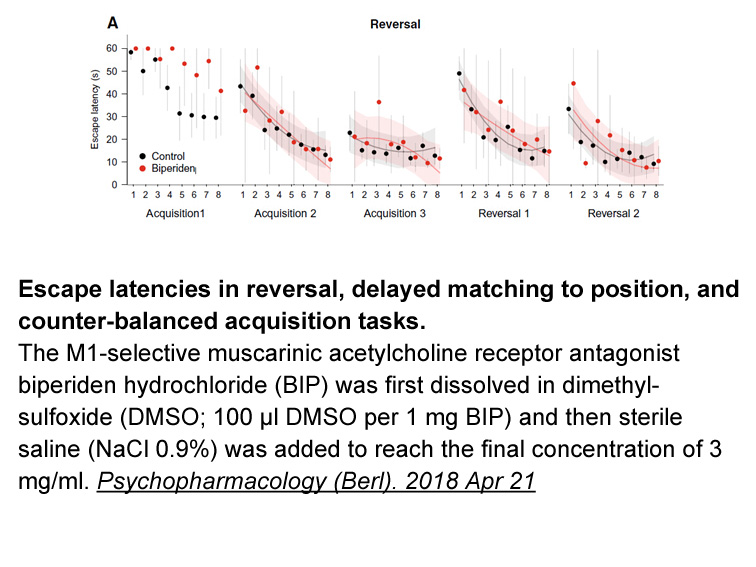
Fig. 1 illustrates the different signaling pathways elicited or modulated by H3R activation. Collectively, the modulation of the release of histamine and other neurotransmitters through H3R activation could be linked to several neurological disorders such as sleep disorders like narcolepsy, Alzheime
-
br Methods br Acknowledgements We are grateful
2022-01-03
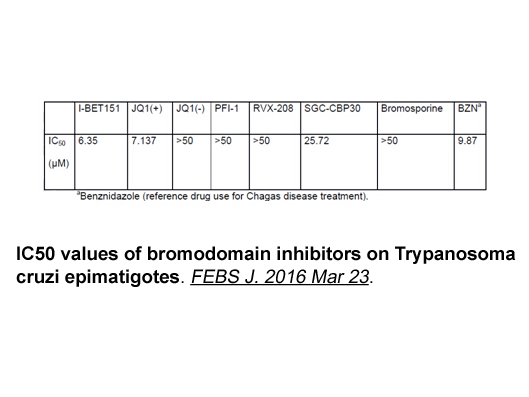
Methods Acknowledgements We are grateful to Eric Olson for providing Yap/Taz floxed mice, and to members of the Epstein lab for helpful comments and advice. This work was supported by NIH R01 HL118768, R35 HL140018, the Cotswold Foundation and the WW Smith Endowed Chair to J.A.E. The Hippo
8291 records 553/553 page Previous First page 上5页 551552553