Archives
- 2026-09
- 2026-08
- 2026-07
- 2026-06
- 2026-05
- 2026-04
- 2026-03
- 2026-02
- 2026-01
- 2025-12
- 2025-11
- 2025-10
- 2025-09
- 2025-03
- 2025-02
- 2025-01
- 2024-12
- 2024-11
- 2024-10
- 2024-09
- 2024-08
- 2024-07
- 2024-06
- 2024-05
- 2024-04
- 2024-03
- 2024-02
- 2024-01
- 2023-12
- 2023-11
- 2023-10
- 2023-09
- 2023-08
- 2023-07
- 2023-06
- 2023-05
- 2023-04
- 2023-03
- 2023-02
- 2023-01
- 2022-12
- 2022-11
- 2022-10
- 2022-09
- 2022-08
- 2022-07
- 2022-06
- 2022-05
- 2022-04
- 2022-03
- 2022-02
- 2022-01
-
Introduction Histone is the core component
2022-02-24
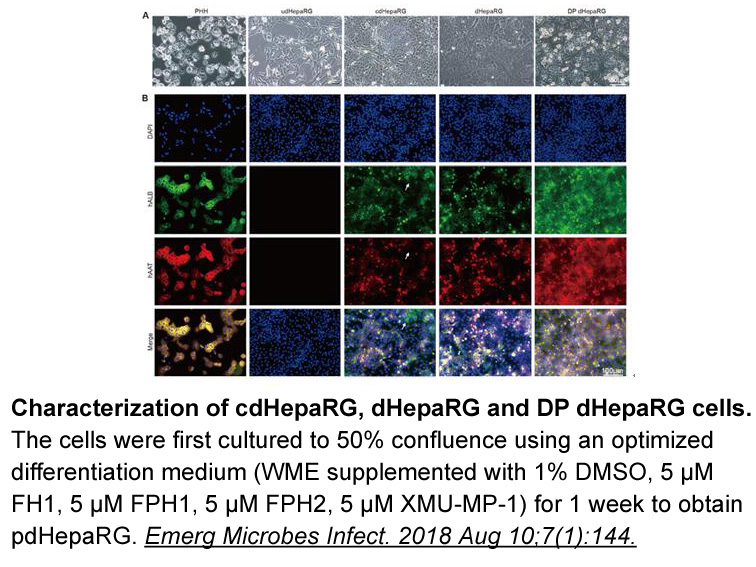
Introduction Histone is the core component of chromatin and histone modification is one of the key mechanisms of epigenetic regulation (Bannister and Kouzarides, 2011). Amino Cefotaxime sodium salt residues on histone tails can be modified under different mechanisms including acetylation, methylat
-
In this current study we not only demonstrated the
2022-02-24
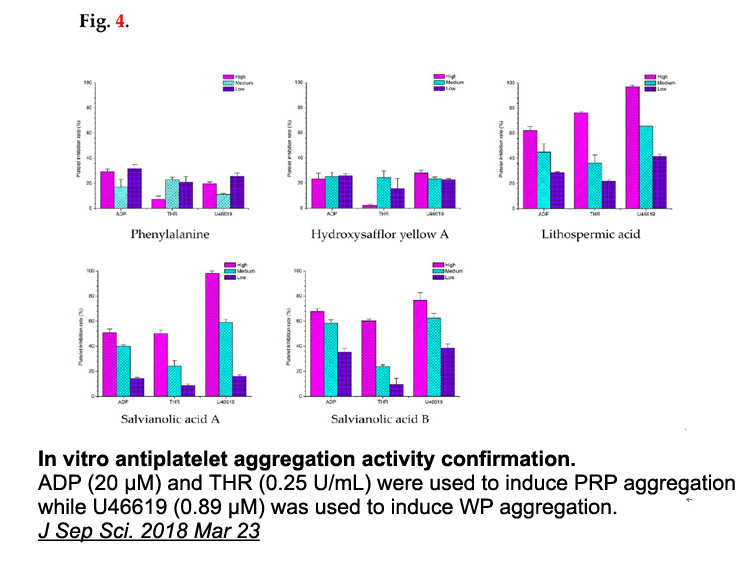
In this current study, we not only demonstrated the growth-inhibitory effects of the 2nd generation analog SL-1-39 on the HER2+ breast cancer cells, MDA-MB-453 and SKBR3 (Table 1), but we also demonstrated that the decrease in cell number was associated with an interruption of Ro 31-8220 Mesylate p
-
The data presented here support a dynamic and complex
2022-02-24
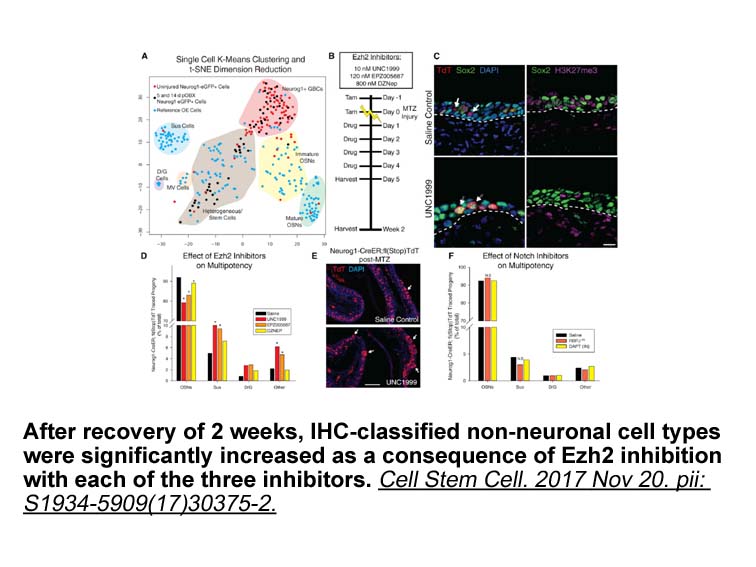
The data presented here support a dynamic and complex interplay among labile heme, BACH1 and HO-1. It appears also that metabolites of heme degradation may participate in the mechanistic regulation of the various factors examined. Our results point to the possibility that the HO-1 pathway restricts
-
All the compounds and were assayed
2022-02-24

All the compounds –, , , –, , – and – were assayed for their potential cytotoxicity at a single dose of 10 µM on Huh7 cells. Interestingly, all compounds proved to be non toxic, with the exception of and which exhibited high cellular toxicity and therefore were excluded from further experiments (a).
-
En el caso de la foliculitis decalvante FD se
2022-02-24
En el caso de la foliculitis decalvante (FD), se ha publicado un estudio multicéntrico español de 82 pacientes en el que se concluye que el tratamiento que consigue una mayor efectividad (mejora en 15/15 pacientes tratados) y un mayor periodo de remisión postratamiento (7,2 meses) es la combinación
-
The previous study demonstrated that the
2022-02-23
The previous study demonstrated that the main CYP isoforms present in the human GSK 650394 included CYP46A1, 2J2, 2U1, 1B1, 2E1 and 2D6 (Dutheil et al., 2009b, 2010). CYP1B1 and CYP2U1 were found in the mitochondrial and microsomal fractions of astrocytes in the human frontal lobe, hippocampus, sub
-
br Method br Results br Discussion There were two
2022-02-23
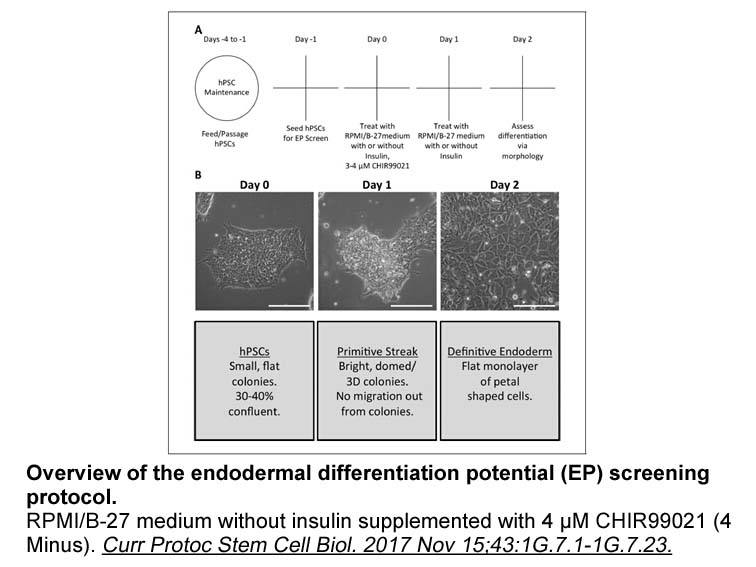
Method Results Discussion There were two major sources of fluorescent signals of NADH in the mouse retina. One was a product derived from glutamate and the other was the elevation of intrinsic NADH. In the present study, we observed significant contamination from intrinsic NADH in “the oute
-
We report here a patient with
2022-02-23
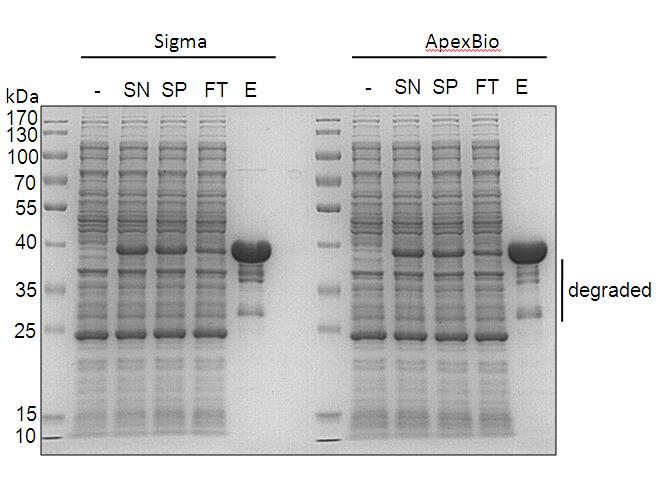
We report here a patient with a one-base frame-shift deletion in the PURA gene that presented an unusual phenotype including persistent hypoglycorrhachia. We propose a possible link between hypoglycorrhachia and PURA dysfunction postulating PURA as a GLUT1 regulator. We therefore hypothesize that mu
-
br Experimental section br Introduction
2022-02-23
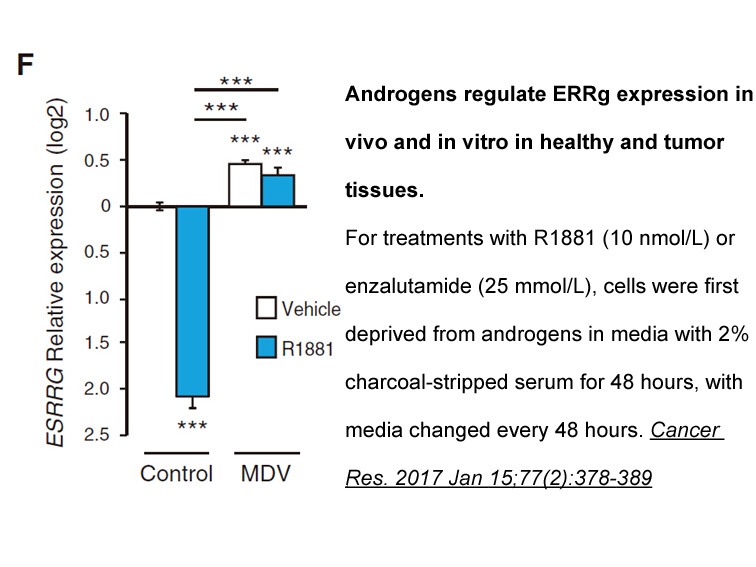
Experimental section Introduction Fasting hyperglycaemia in all forms of diabetes mellitus occurs primarily as a result of upsurge in hepatic glucose synthesis (HGS) [1], [2]. Two specific enzymes, glucokinase (GK) and glucose-6 phosphatase (Glu-6-Pase) play crucial role in hepatic glucose pro
-
SB408124 Similarly spectrophotometric titrations were carrie
2022-02-23
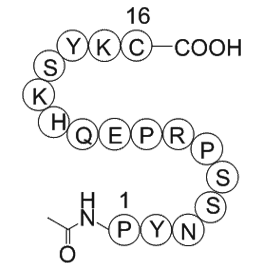
Similarly, spectrophotometric titrations were carried out under conditions identical to those used for the fluorescence titrations. exhibited a predominant SB408124 band at around 493 nm. The titrations with all G-quadruplex DNAs resulted in a hypochromic effect along with a bathochromic shift of
-
Fpr which belongs the family of the formyl peptide receptors
2022-02-23

Fpr1, which belongs the family of the formyl peptide receptors with FPRL1 and FPRL2, is the principal receptor for formylated peptides which prototype is the tri-peptide fMLF. Fpr1 is highly expressed on neutrophils and macrophages [6,30], promotes their migration into the mucosa and lumen in respon
-
The precise mechanism by which
2022-02-23
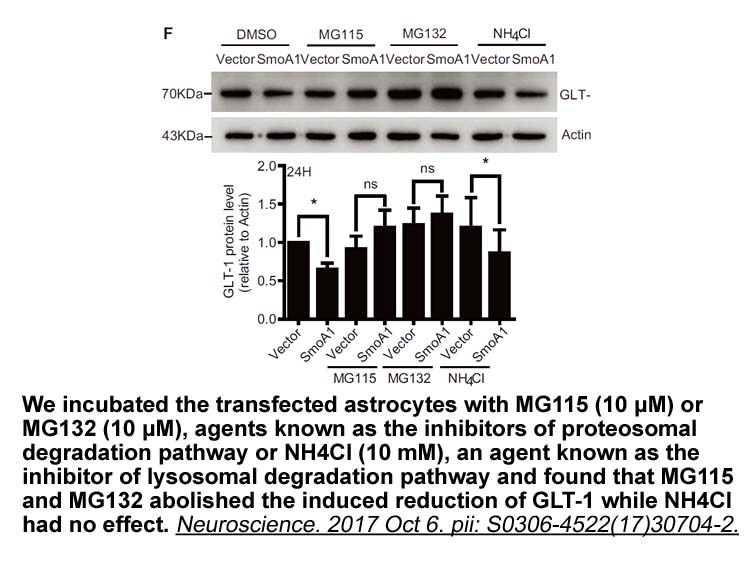
The precise mechanism by which erastin inhibits SLC7A11-mediated cystine import it still unknown. The initially proposed mechanism, by which erastin binds a related transport protein, SLC7A5, and inhibits SLC7A11 in trans [25], was revised soon after, and it was suggested that erastin inhibits SLC7A
-
TPCA-1 It is well known that
2022-02-23
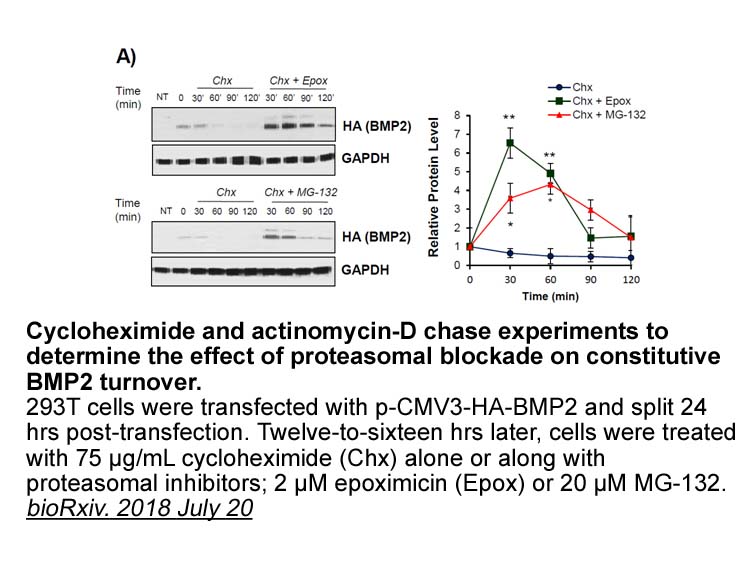
It is well known that TNF-α plays a pivotal role in the pathogenesis of RA. TNF-α influences diverse pathologic processes including joint destruction as well as inflammatory responses [16]. While TNF-α significantly increases the levels of sFas and mFas expression from FLS, IL-1β and IL-17 have mini
-
Here we show in contrast to previous
2022-02-23
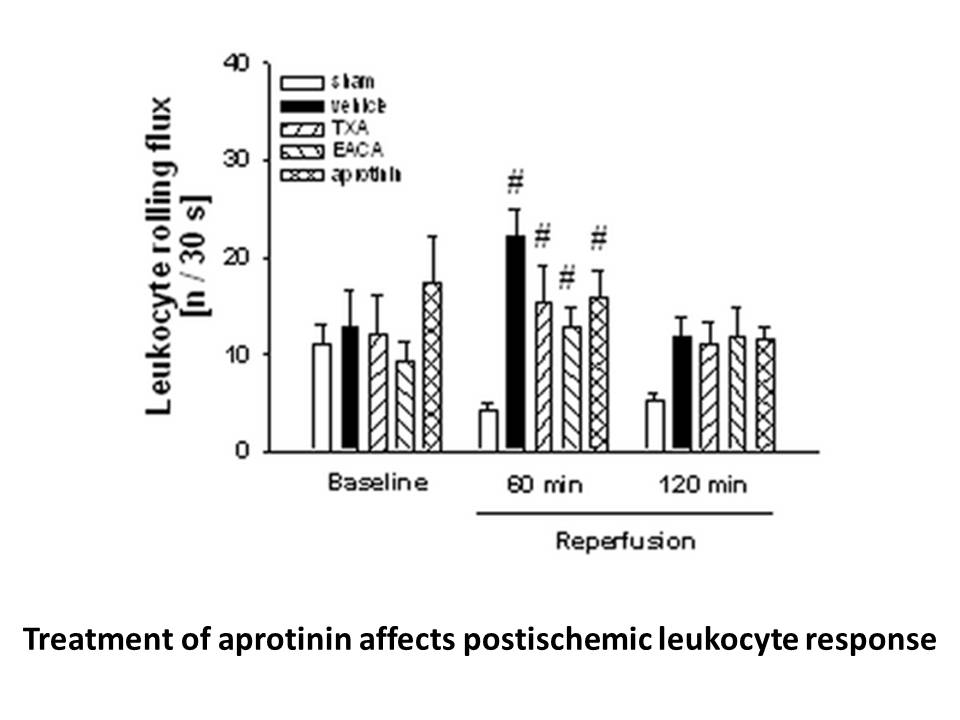
Here we show, in contrast to previous work, that several phenotypes associated with Orb6 inactivation, including increased cell width, are independent of Gef1. We further find that Orb6 positively regulates exocytosis, also independently of Gef1. To identify novel targets of Orb6, we performed quant
-
As evidenced by SARs and crystallographic data HO
2022-02-22
As evidenced by SARs and crystallographic data, HO-1 has at least three main crucial regions for inhibitor binding. The most crucial area, the so-called eastern region, is able to allocate the azole ring that represents the first anchoring point by establishing a coordination binding to the heme fer
8239 records 521/550 page Previous Next First page 上5页 521522523524525 下5页 Last page